
Outdoor Walking After 50: Getting Started
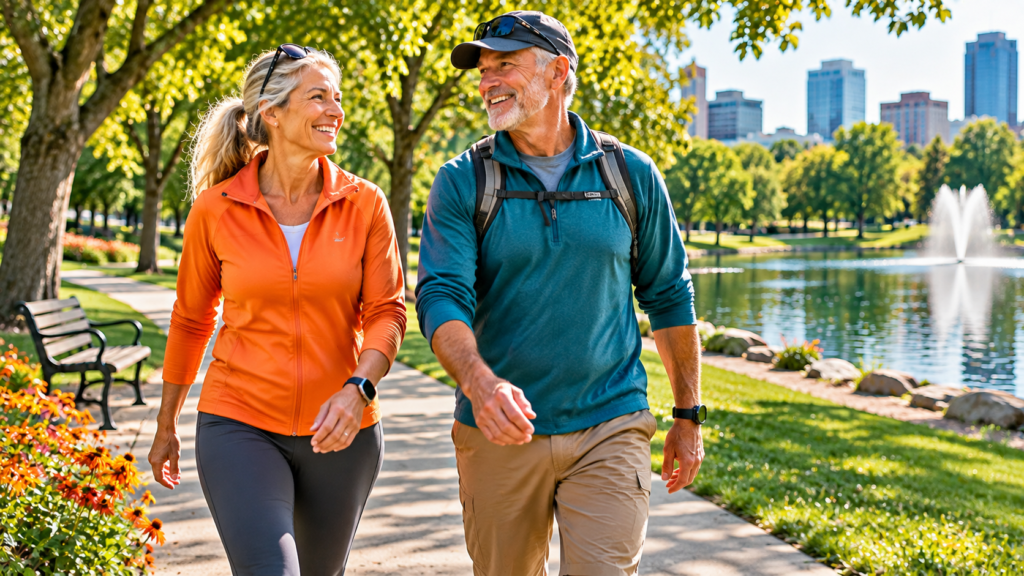
You don’t need hiking boots, a fancy fitness watch, or an expensive gym membership to start enjoying the outdoors. Sometimes, all it takes is a comfortable pair of shoes and a decision to walk out the front door.
Walking is one of the simplest ways to become more active after 50. It doesn’t require much equipment, you can do it almost anywhere, and you get to decide how far and how fast you go.
And here’s the best part: there’s no finish line you have to cross.
Start Where You Are
If you haven’t exercised regularly in a while, don’t worry about walking three miles on your first day. Start with ten minutes around the neighborhood or a nearby park.
If ten minutes feels like plenty, that’s fine. If you feel comfortable going longer, go ahead.
The important thing is to finish feeling like you could do it again tomorrow.
Try walking three or four days during your first week. As your comfort and stamina improve, gradually add a few minutes or a little distance.
Consistency matters more than speed.
Looking for somewhere new to walk? AllTrails is a great app with a large database of walking paths and hiking trails across the country. It can help you discover nearby routes, explore trail information, and record your activities right in the app. It’s a handy way to find your next outdoor adventure.
Find a Place You Enjoy
Walking around the same block every day can get a little boring. Fortunately, there are plenty of alternatives.
Neighborhood sidewalks, city parks, lakeside paths, botanical gardens, and paved nature trails are all good places to start.
Look for routes with relatively level surfaces, convenient parking, and benches if you want somewhere to take a break.
A little scenery can turn an ordinary walk into something you actually look forward to.
And don’t overlook your local parks. You might be surprised by what’s just a few miles from home.
Wear Comfortable Shoes
You don’t need to spend a fortune on walking equipment, but comfortable shoes are worth the investment.
Look for shoes that fit properly, provide good support, and don’t rub your heels or toes. Try them on with the socks you plan to wear.
Choose lightweight, comfortable clothing appropriate for the weather. On sunny days, bring a hat and sunscreen.
Carry water, especially during warmer weather. If you’re walking somewhere unfamiliar, take your phone along.
That’s really all you need to get started.
Make Walking Something You Enjoy
Some people love walking alone. It’s a chance to clear their heads, enjoy the scenery, and get away from the noise of everyday life.
Others prefer company.
Walking with a spouse, friend, neighbor, or local walking group can make the time pass quickly. A good conversation has a funny way of making a mile feel shorter.
You can also change things up by exploring a different park each week.
Keep it interesting. Walking shouldn’t feel like another chore on your to-do list.
Listen to Your Body
A little muscle tiredness when you’re getting started can be normal. Sharp pain, dizziness, chest discomfort, or unusual shortness of breath are not things to push through.
Stop if something doesn’t feel right, and seek medical attention when appropriate. If you have a medical condition that affects exercise, check with your healthcare professional about a suitable starting routine.
Remember, this isn’t a race.
Some days you’ll feel energetic and walk farther. Other days, a short stroll may be enough.
Both count.
Your First Walking Challenge
Here’s a simple goal: Take a comfortable 10-minute outdoor walk three times this week.
Choose a location you enjoy, wear comfortable shoes, and pay attention to how you feel.
Next week, consider adding a few minutes if you’re ready.
Before long, you might find yourself exploring new parks, walking longer trails, or wondering what that hiking path around the next bend looks like.
And that’s where the next adventure begins.
Where to Next?
Coming Next: From Walking to Hiking — Taking the Next Step
Ready to explore beyond the sidewalk? We’ll look at how to choose your first nature trail, what to bring, and how to make the transition comfortably.